Innovation Management



Impact on Business (GRI3-3)

Challenges and Opportunities (GRI3-3)
Demand for renewable energy continues to increase, driven by the global energy transition and international environmental and clean energy policies. However, the power generation industry faces intense competition, cost volatility, resource constraints, and rapidly evolving technologies. As a result, innovation development and technological advancement have become critical factors in maintaining competitiveness and meeting future demand.
To address these challenges, the Company places strong emphasis on strategic planning for innovation and technology development to enhance both operational and business capabilities. This includes responding to customer needs, improving process efficiency and cost-effectiveness, reducing resource waste, optimizing energy efficiency, lowering greenhouse gas emissions, and sustainably managing environmental and community impacts.
These approaches strengthen the Company’s competitive advantage, support the growth of new business opportunities, and enhance its ability to adapt effectively in a rapidly changing industry landscape.
Commitment (GRI3-3)
CKPower is committed to advancing innovation to drive the transition from conventional energy to renewable energy. The Company firmly believes that hydropower is a clean energy source with strong potential to generate lasting positive impacts and plays a vital role in supporting the transition toward a low-carbon society at both national and regional levels.
At the same time, the Company strives to enhance its production processes over the long term through the application of appropriate technologies and innovation, alongside the continuous development of knowledge and personnel capabilities. Emphasis is placed on cultivating “innovators” and fostering an innovation-driven culture within the organization, encouraging employees to participate in the ideation, development, and advancement of innovations in power generation and process improvement across all energy businesses within the Group. These efforts enhance operational efficiency, reduce resource consumption and environmental and community impacts, strengthen electricity generation reliability, improve adaptability, and create long-term sustainable value and positive impacts for stakeholders.
Operational Guidelines (GRI3-3)
Innovation Development Policy
CKPower integrates innovation management into its corporate governance framework to enhance employee capabilities and advance engineering and resource management expertise. The Company also emphasizes the adoption of state-of-the-art technology in all power plant projects, cross-functional collaboration to drive innovation, and eco-friendly and sustainable management practices across its operations.
1
Knowledge Management
Strengthening internal knowledgesharing through innovation databases to facilitate continuous learning and idea generation.2
External Collaboration
Partnering with leading organizations and research institutions to explore new technologies that drive engineering and environmental advancements.3
Stakeholder Engagement
Disseminating knowledge and innovative practices to communities and business partners to foster inclusive growth.Innovation Development Strategies
- Knowledge Management – Strengthening internal knowledge-sharing through innovation databases to facilitate continuous learning and idea generation.
- External Collaboration – Partnering with leading organizations and research institutions to explore new technologies that drive engineering and environmental advancements.
- Stakeholder Engagement – Disseminating knowledge and innovative practices to communities and business partners to foster inclusive growth.
Innovation Development Framework
CKPower has established a structured innovation framework that encourages employees to apply technology to enhance efficiency, minimize environmental impact, and address stakeholder needs.
New Innovation
Promote breakthrough innovations that improve CKPower’s long-term capabilities and competitive advantage.New Invention
Support the development of industry-leading energy innovations.Process Improvement
Optimize and expand existing innovations to align with operational needs, improve efficiency, and reduce costs.Partnership & Research
Strengthen collaborations with external organizations to co-develop cutting-edge solutions.ESG-aligned Innovation
Ensure that innovations support Environmental, Social, and Governance (ESG) principles, including enhancing production efficiency, reducing resource consumption, improving environmental sustainability, and creating social benefits for communities and stakeholders.Innovation Knowledge Development
To reinforce innovation development, CKPower has implemented a structured knowledge-sharing process:


Additionally, to facilitate operations in the digital transformation era, CKPower has implemented modern technologies in work processes under the Industry Framework, which serves as an industry standard model for business processes, to enhance efficiency, transparency, and sustainability across all operational stages.
Diffusion of Innovations
CKPower actively shares its innovation-driven insights with stakeholders through various activities, including:
- Open house site visits to Xayaburi Hydroelectric Power Plant, Bangpa-in Cogeneration Power Plant, and Nam Ngum 2 Hydroelectric Power Plant
- Seminars and lectures on clean energy and energy conservation
- Public awareness campaigns promoting renewable energy adoption
Effectiveness Monitoring
From its commitment to systematically managing and advancing innovation to enhance production efficiency and continuously reduce environmental impacts, the Company currently has a total of 25 active innovations, with two additional projects under development. In addition, 60 internal employees have been designated as “innovators,” serving as key drivers of innovation and its translation into tangible outcomes.
All power plants have established targets for developing innovations and cultivating innovators by encouraging employees across all functions to continuously study, develop, and scale innovative solutions. In particular, Bangpa-In Cogeneration Power Plant organizes weekly Innovation Sessions, where employees present knowledge and innovations relevant to their respective functions, fostering idea exchange and collaborative learning. This process enhances system development capabilities, improves work processes, and supports the effective application of innovation within power plant operations.
Development of Innovation Training Programs
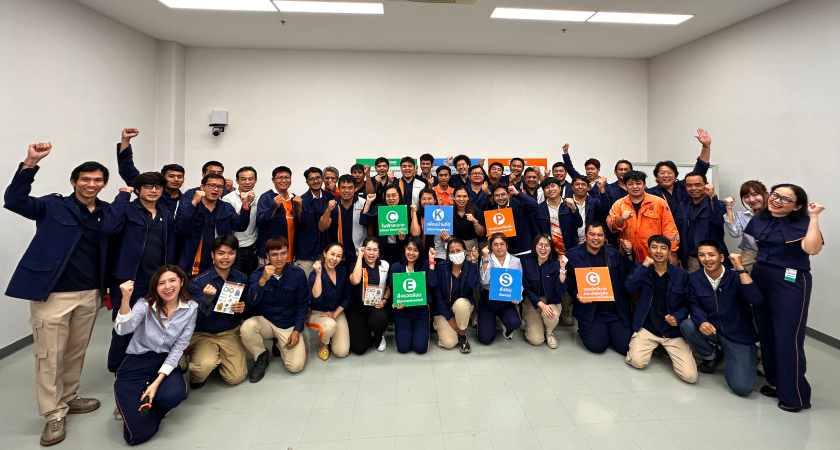
In 2025, the Company launched two training programs: Sustainable Development 03 (SD 03): Innovation for C-K-P Sustainability and Sustainable Development 04 (SD 04): Social Innovation for Sustainability, aimed at strengthening employee capabilities and expanding organizational knowledge. These programs primarily target Sustainability Working Teams at each power plant and focus on creating innovations that generate value for the organization, stakeholders, and society, while supporting the Company’s long-term sustainability goals.
Objectives of SD 03: Innovation for C-K-P Sustainability
- To enhance understanding of CKPower’s innovation policy and management framework, enabling systematic application in operations.
- To develop Value Chain Analysis skills for identifying issues, opportunities, and areas for innovation initiation.
- To learn from CKPower’s innovation case studies and apply key lessons to departmental innovation projects for C-K-P Sustainability.
- To enhance a structured innovation process, from problem identification and ideation to implementation, in order to create sustainable operational value.
Objectives of SD 04: Social Innovation for Sustainability
- To enhance understanding of the linkage between Corporate Social Responsibility (CSR) implementation and the ESG framework to support sustainable organizational development.
- To develop systematic CSR project management knowledge, from planning and execution to value creation in alignment with CKPower’s framework.
- To build understanding of the role of innovation in enhancing social initiatives, supported by innovation case studies.
- To enhance analytical and design skills for community-focused innovation that creates sustainable economic, social, and environmental value.
Outcomes
- Two workshops under SD 03 generated 12 sustainability innovation project concepts.
- Four workshops under SD 04 generated more than 22 social innovation project concepts.
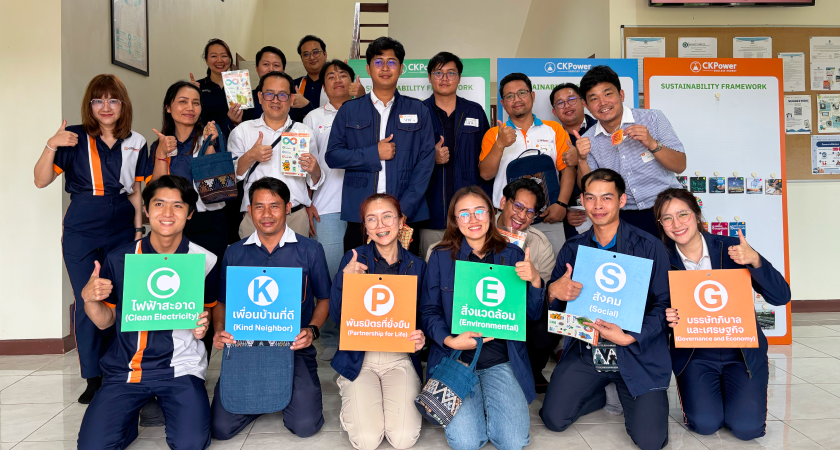
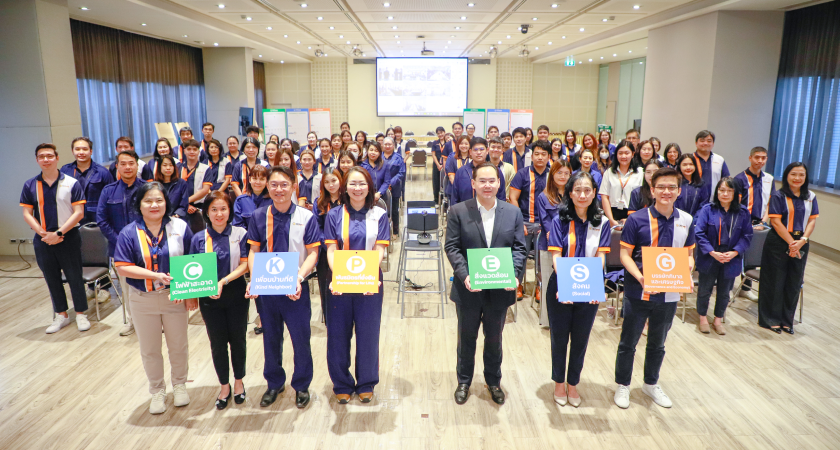 Innovation for Sustainability Training (All Power Plants – Online Platform) Course SD03: Innovation for C-K-P Sustainability
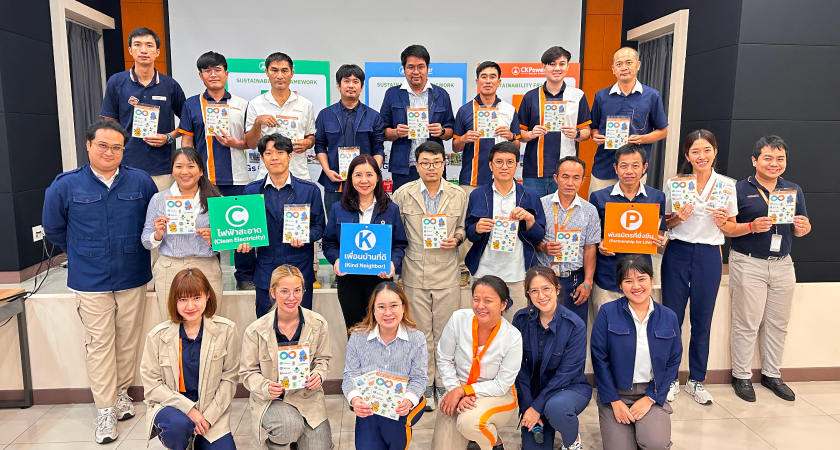 Innovation for Sustainability Training (By Individual Power Plant) Course SD04: Social Innovation for Sustainability
Long-term Targets, 2025 Targets, and 2025 Achievements (GRI3-3)
| Innovation Management | |||
|---|---|---|---|
Innovation Management |
|||
| 2025 TARGETS | 2025 ACHIEVEMENTS | ||
| Develop new innovation per year |
≥1
|
6
|
|
| Innovators |
>50
|
60
|
|
| Stakeholders surrounding the power plants engaged through knowledge and innovation dissemination. |
>2,000
|
2,780
|
|
| SDGs |        |
||
Performance
Resulting from the initiative to continuously create and develop innovations to increase production efficiency and reduce environmental impacts, CKPower currently has a total of 25 active innovations, as follows:
- Online Water Wash Project at Bangpa-in Cogeneration Power Plant
- Off-peak Gas Compressor Power Reduction Project at Bangpa-in Cogeneration Power Plant
- Lower Gas Pressure - Better Heat Rate Project at Bangpa-in Cogeneration Power Plant
- Air Dryer Deactivation at Bangpa-in Cogeneration Power Plant
- Deactivation of Cooling Tower Fan during 00:00-06:00 hrs. at Bangpa-in Cogeneration Power Plant
- Cooling Tower Optimization Project at Bangpa-in Cogeneration Power Plant
- Slip Ring Dust Collector Project at Bangpa-in Cogeneration Power Plant
- Main Inlet Valve Spare Part Project at Bangpa-in Cogeneration Power Plant
- Adjustment and Control of the Chloride Range in the Cooling Tower at BIC1
- Phase 2 of Steam Turbine Load Adjustment Project
- Electric Vehicle Project at Xayaburi Hydroelectric Power Plant
- Gas Compressor Lubricant Reduction at Bangpa-in Cogeneration Power Plant
- Eco-Friendly Fermentation Tank Project at Nam Ngum 2 Hydroelectric Power Plant
- Water Truck Usage Reduction Project for Garden and Landscape Maintenance at Xayaburi Hydroelectric Power Plant
- Dry Low NOx Burner (DLE) Technology and Continuous Emission Monitor System (CEMs) at Bangpa-in Cogeneration Power Plant
- Biodiversity Conservation Innovation through Fish Passage System at Xayaburi Hydroelectric Power Plant
- CKP Admin e-Portal System for General Administrative Management across the organization.
- PIT Tag Fish Monitoring Innovation to Track Fish Migration through the Fish Passage System at the Xayaburi Hydroelectric Power Plant
- Advanced CKP Forecasting System: Enhancing XHPP’s Inflow Forecasting System for Sustainable Clean Energy
- Development of a Wireless Transformer Oil Spray Device for Blade Lubrication in the Switchyard at Nabong Substation
- Feasibility Study on the Development of a Green Hydrogen and Green Ammonia Production Plant
- Feasibility Study on the Use of Hydrogen Blended with Natural Gas as Fuel for Bangpa-In Cogeneration Power Plant
- Feasibility Study on the Application of Redox Flow Battery Technology in CKPower’s Power Plants
- Renewable Energy (RE) Forecasting System Innovation at Bangkhenchai Solar Power Plant
- Real-time Monitoring System Project at Bangkhenchai Solar Power Plant
Key Benefits
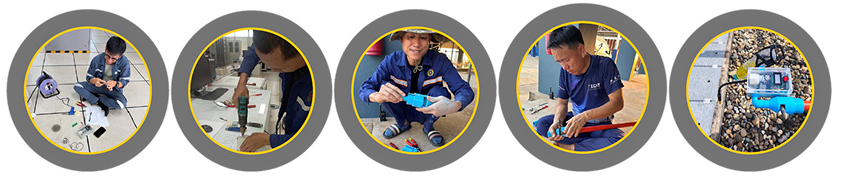
This innovation enhances operators’ problem-solving skills and equipment improvement capabilities, strengthening personnel competency and operational efficiency. It reduces working time and improves safety during maintenance activities at the Nabong Substation. Furthermore, the knowledge gained can be practically extended and applied to other equipment both within and beyond the substation.
| Overall Innovation Performance | |||||
|---|---|---|---|---|---|
| Number of eco-friendly production optimization innovations and corporate innovators developed | |||||
| 2021 | 2022 | 2023 | 2024 | 2025 | |
| Cumulative number of innovations | 11 innovations (cumulative) |
13 innovations (cumulative) |
16 innovations (cumulative) |
19 innovations (cumulative) |
25 innovations (cumulative) |
| Cumulative number of innovators | 10 innovators (cumulative) |
16 innovators (cumulative) |
50 innovators (cumulative) |
68 innovators (cumulative) |
60 innovators (cumulative) |
| Number of stakeholders residing in the vicinity of CKPower’s power plants who received knowledge and technology transfer | 350 stakeholders |
1,530 stakeholders |
1,712 stakeholders |
4,594 stakeholders |
2,780 stakeholders |
Innovation-Enabled Energy, Resource, and Cost Savings
| Overall Innovation Performance | |||||
|---|---|---|---|---|---|
| The numbers of eco-friendly production optimization innovations and corporate innovators developed | |||||
| 2021 | 2022 | 2023 | 2024 | 2025 | |
| Energy saving | 3,150 MWh/year |
5,980 MWh/year |
4,390 MWh/year |
4,443 MWh/year |
21,454 MWh/year |
| Reduce fuel consumption | - litters/year |
- litters/year |
- litters/year |
4,770 litters/year |
8,730.39 litters/year |
| GHG emissions reduction | 1,418 tCO2e/year |
2,763 tCO2e/year |
2,026 tCO2e/year |
2,054 tCO2e/year |
3,998.42 tCO2e/year |
| Water saving | 58,594 cubic meter/year |
54,387 cubic meter/year |
28,006 cubic meter/year |
28,010 cubic meter/year |
107,751 cubic meter/year |
| Energy cost saving | 6.50 million baht/year |
23.70 million baht/year |
16.30 million baht/year |
16.59 million baht/year |
16.54 million baht/year |
Project Highlights in 2025
Feasibility Study on the Application of Redox Flow Battery Technology in CKPower’s Power Plants
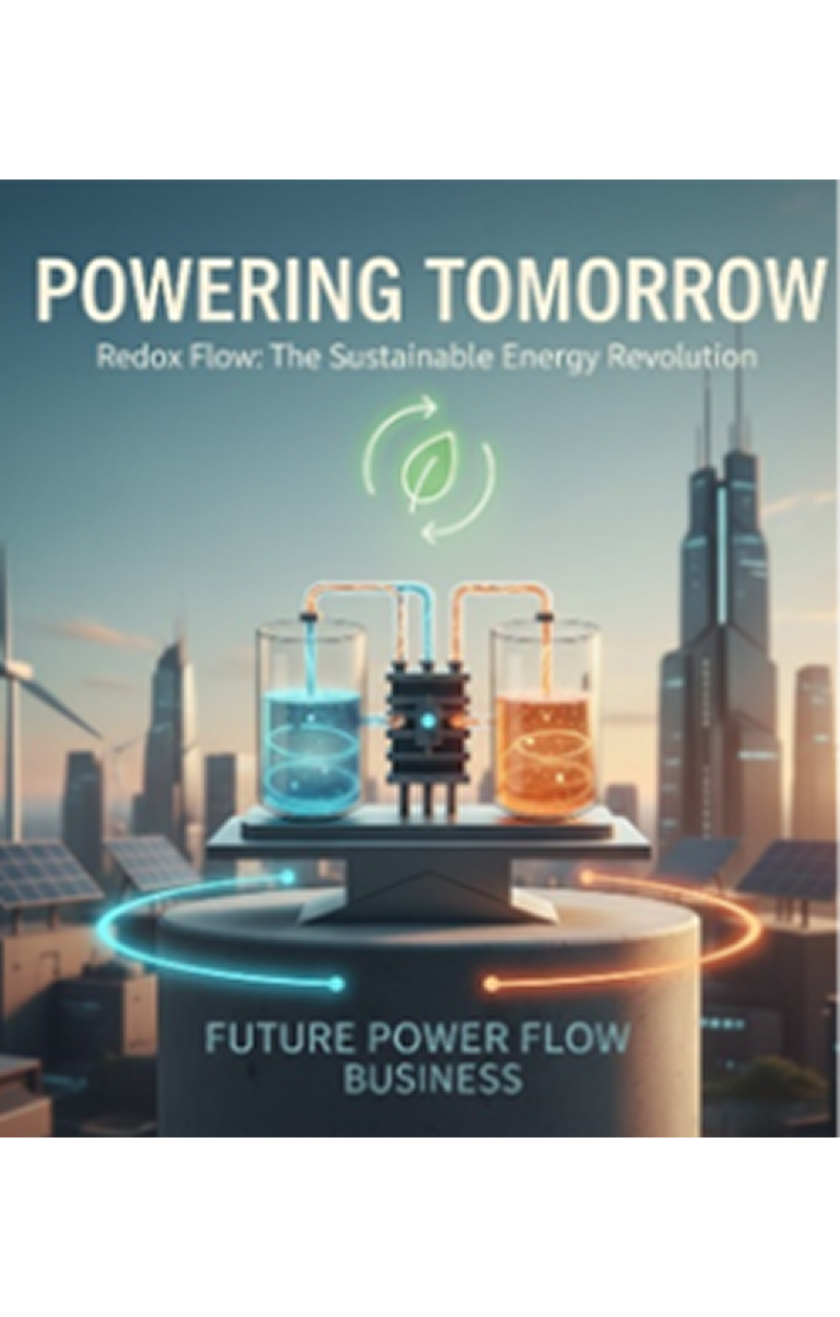
Objective:
To assess the feasibility of applying an Energy Storage System (ESS) using Redox Flow Battery technology in combination with power plants within the CKPower Group, with the aim of enhancing generation capability and expanding electricity sales opportunities.
Benefits to the Company:
- Increase opportunities for electricity sales during peak demand periods, such as nighttime supply and Firm PPA arrangements.
- Strengthen the Company’s image as an innovator in clean energy through the application of advanced energy storage technology.
- Support the government’s Net Zero policy by improving renewable energy utilization efficiency and reducing reliance on fossil fuels.
- Reduce the risk of external electricity imports and decrease reliance on the main grid during periods of generation variability or production fluctuations.
- Enhance power supply stability and consistency, enabling energy management closer to firm power characteristics.
- For hydropower plants, the system enhances grid stability, particularly during planned maintenance (overhaul) periods, by reducing electricity imports and maintaining supply continuity.
Benefits to Stakeholders:
- Customers and electricity users: Receive more stable and continuous electricity supply, both during daytime and nighttime.
- Shareholder and Investors: Gain greater confidence in the Company’s capability to develop technologies that support long-term clean energy growth.
- Communities and society: Benefit from reduced greenhouse gas emissions through the integration of renewable energy with energy storage systems.
- Government: Supports the national clean energy transition and strengthens the country’s role in renewable energy development at the regional level.
Research Methodology:
- Assess electricity demand patterns and the suitability of Redox Flow Battery technology for various power plants within the Group.
- Conduct cost and feasibility analysis across technical and financial dimensions.
- Evaluate energy storage performance and system lifespan.
- Undertake desk studies alongside research and development to determine the optimal system size and specifications for practical application.
Preliminary Feasibility Results:
- Integrating battery systems with solar power plants can expand electricity sales capability during nighttime.
- The system can reduce electricity costs in cases where external power imports are required due to insufficient on-site generation capacity.
Advanced CKP Forecasting System: Enhancing Xayaburi Hydroelectric Power Plant’s (XHPP) Inflow Forecasting System for Sustainable Clean Electricity
The CKP Forecasting System: XHPP Inflow Forecasting (2024), developed in collaboration with DHI A/S (Danish Hydraulic Institute), Denmark, marks a significant improvement over the first-generation flow forecasting system created by Compagnie Nationale du Rhône (CNR), France, in 2018. This advanced Hydrometeorological Monitoring and Forecasting System (HMFS) aims to enhance the Xayaburi Hydroelectric Power Plant (XHPP) operational safety and efficiency. This system combines real-time hydrometeorological data with innovative modeling techniques and state-of-the-art technologies to produce accurate inflow forecasts. These forecasts are crucial for efficient energy production and environmental stewardship. Additionally, the system improves public safety by predicting potential flood scenarios upstream and downstream of the plant. The new system offers four key advantages that significantly enhance safety and production planning.
- Comprehensive Data Integration: In 2025, real-time information was collected from a network of 15 to 19 monitoring stations across Laos, measuring rainfall, water levels, and flow rates. This is complemented by publicly available weather data and satellite imagery of neighboring countries. These diverse data sources are verified and refined for consistency and accuracy before use, ensuring high-quality forecasting.
- Accurate Predictions: The system uses state-of-the-art mathematical models based on the latest river cross-section surveys, along with ensemble forecasting techniques, to minimize uncertainties. Models link real-time data from nearby monitoring stations, providing precise forecasts crucial for energy production planning.
- Fast Updates: Automated processes, from satellite data downloads to hydrological simulations and output visualization, ensure timely information for decision-makers. This automation reduces manual workload and human errors, enabling swift responses in various scenarios.
- Extended Forecast Range: Using DHI’s Global Hydrological Model (GHM) and MIKE+ River Models, the CKP Forecasting System generates medium-range forecasts up to 15 days in advance, an improvement from the previous 12-day range. This extended forecast period facilitates more forward-looking production planning.
Overview of System Workflow
CKP Forecasting System: XHPP Inflow Forecasting






The system can also be further developed to create sediment transport modeling, which is vital for the long-term sustainability of the Mekong River. This modeling enables CKP to monitor sedimentation as well as assess potential impacts on river morphology, ensuring the long-term sustainability of the Mekong River. Currently, the system is specifically implemented for the Xayaburi Hydroelectric Power Plant, with plans to expand its application to other hydropower plants, such as the Nam Ngum 2 Hydroelectric Power Plant and the Luang Prabang Hydroelectric Power Project, in the future.
Development Plan for the CKP Forecasting System: XHPP Inflow Forecasting (2023-2026)
2023
- Current ICT infrastructure checkup
- Data backup and new system architecture design
2024
- New machine and system migration
- Hydrological & geospatial dataset migration
- On the job training
- New system parallel operation
2025
- Launch of the CKP Forecasting System
- Post monitoring
- Design and optimize operational systems to ensure continuity and minimize constraints
2026
- Develop the system for application to other hydropower plants, starting with the Nam Ngum 2 Hydroelectric Power Plant.
- Expand and enhance the database scope to improve system efficiency.
- Further develop and prepare the system for future implementation at the Luang Prabang Hydroelectric Power Project.
This initiative represents the advancement of innovation into practical implementation to enhance operational efficiency through the CKP Forecasting System: XHPP Inflow Forecasting in hydropower generation.
The system reflects the Company’s commitment to the clean energy transition through the application of technology and innovation that enhance safety, improve operational efficiency, and reduce environmental impacts. It further supports the Company’s dedication to harnessing hydropower as a sustainable energy source, aligned with global efforts to advance toward a low-carbon society.
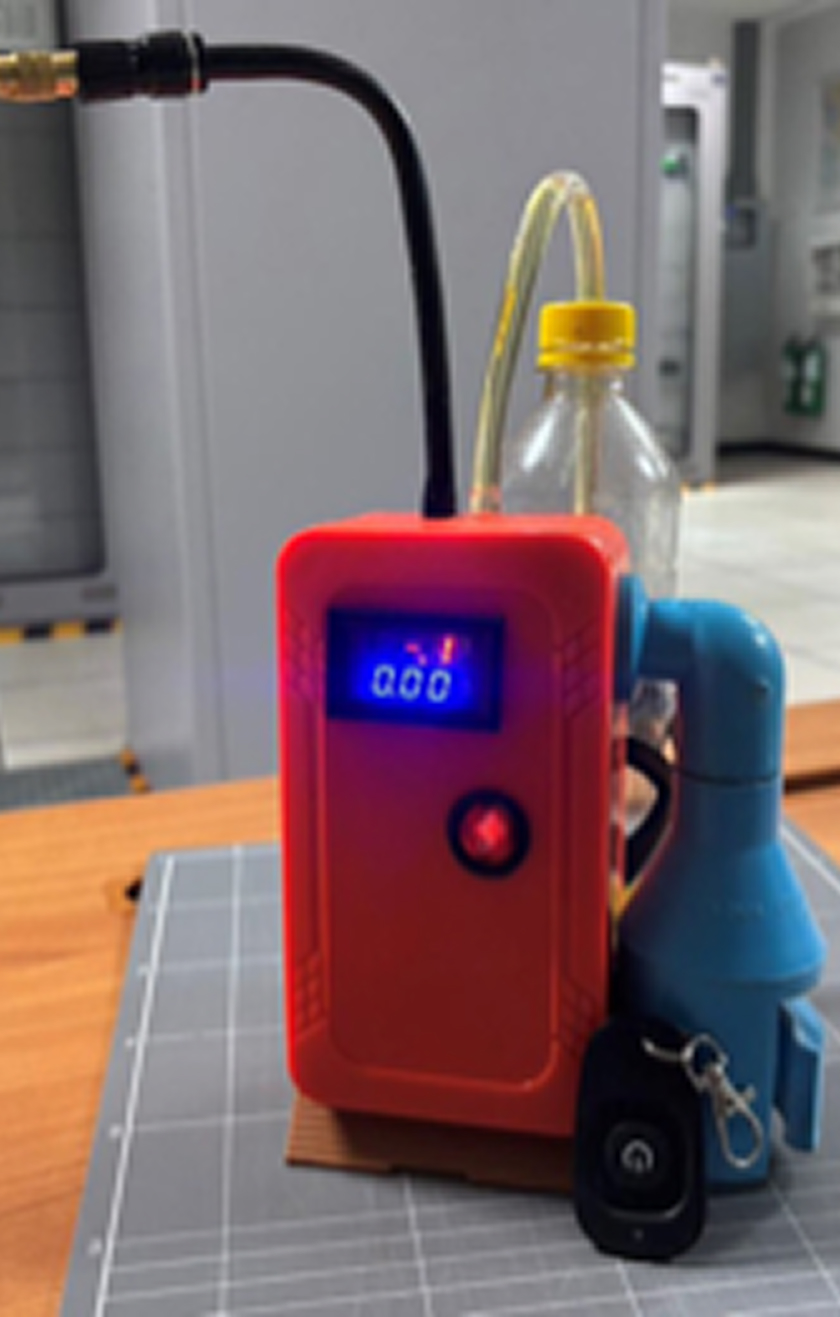
Wireless Transformer Oil Spray Device for Blade Lubrication
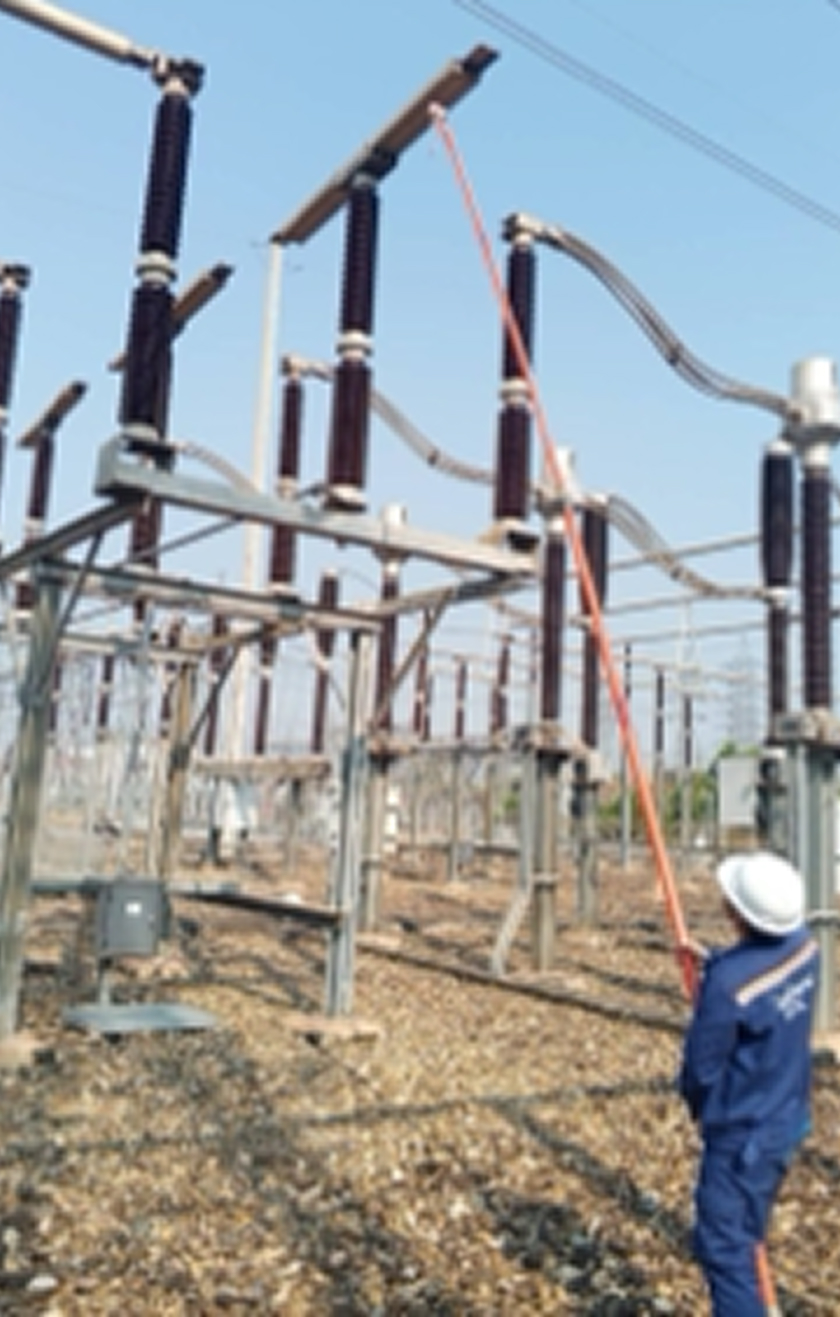
Concept
Previously, lubrication of contact points on the Disconnecting Switch (DS) was performed by attaching a paint roller brush to a hot stick and applying used transformer oil as a lubricant. This method posed operational limitations due to restricted working space, reduced convenience for operators, increased task duration, and heightened safety risks, as personnel were required to work in close proximity to high-voltage equipment.
Sustainability report 2025