Supply Chain Management

Impact on Business (GRI3-3)
Challenges and Opportunities (GRI3-3)
The renewable energy generation business faces an increasingly complex and uncertain global environment due to geopolitical instability, raw material price volatility, and potential supply chain disruptions that may affect project timelines, capital expenditure, and operations. Ensuring that suppliers across multiple countries comply with ESG standards and human rights principles further increases governance and monitoring complexity.
These challenges present a strategic opportunity for CKPower to enhance supply chain transparency, traceability, and alignment with evolving investor expectations. This is achieved through strengthened supplier screening processes, comprehensive ESG risk assessments, and the systematic promotion of respect for human rights throughout the value chain. This approach enhances supply chain resilience, mitigates systemic risks, and strengthens the Company’s credibility among stakeholders. More importantly, it lays a solid foundation for sustained competitiveness, responsible investment, and long-term growth readiness in the renewable energy industry.
Commitment (GRI3-3)
CKPower is committed to sustainable supply chain management to mitigate risks across all dimensions, enhance transparency, and improve operational efficiency through the following approaches:
- Integrating ESG criteria into supplier selection and evaluation processes to promote responsible and sustainable business practices.
- Establishing a Supplier Code of Conduct aligned with applicable laws, international standards, and ESG principles, covering business ethics, anti-corruption, labor practices, human rights, occupational health and safety, and social responsibility.
- Strengthening human rights governance within the supply chain by encouraging suppliers and contractors to comply with labor standards, occupational health and safety requirements, and environmental management practices, as well as addressing critical risk issues, such as forced labor and child labor, based on supplier risk levels.
- Leveraging digital technologies to enhance procurement speed, transparency, and efficiency.
- Implementing risk-based monitoring and performance review mechanisms for suppliers, including self-assessments, audits, or site visits, and corrective action plans to ensure continuous improvement and sustained compliance.
CKPower’s ultimate goal is to foster long-term sustainability for the business, its suppliers, and society as a whole.
Operational Guidelines (GRI3-3)
1) Procurement Policy and Supplier Code of Conduct
CKPower’s sustainable supply chain management approach is designed to reduce risks, optimize efficiency, and enhance transparency. The Company’s Procurement Policy and Supplier Code of Conduct ensure that all suppliers operate responsibly while upholding ESG principles, fostering ethical, sustainable, and resilient supply chain practices.
Procurement Policy
The Company has developed the Procurement Policy requiring suppliers to comply with legal requirements, regulations, and international standards in key areas, including labor practices, human rights, safety, occupational health, and environmental management. The policy also encourages suppliers to adapt to business growth and global-level shifts, ensuring long-term sustainable development alongside the Company.
Supplier Code of Conduct
CKPower has established a Supplier Code of Conduct to promote sustainable business practices among its business suppliers under environmental, social, and governance (ESG) principles. This Code provides guidelines for compliance with applicable laws, regulations, and international standards, covering business ethics, labor practices, and human rights, safety and occupational health, environmental management at operational sites, and social and community responsibility.
To reinforce responsible supply chain management, CKPower has implemented a comprehensive strategic approach that covers every stage from supplier selection to risk assessment and performance monitoring. The Company also supports suppliers in conducting their business with transparency and respect for human rights, ensuring adherence to labor, safety, occupational health, environmental, and social and community responsibility standards to drive sustainability throughout the supply chain.
Key Focus Areas of the Supplier Code of Conduct
Business Ethics |
Human Rights and Labor |
|---|---|
|
|
Safety and Occupational Health |
Environment |
|
|
Social Responsibility |
|
|
|
2) Strategy and Roadmap
CKPower is committed to conducting its business in a manner that ensures sustainable growth while upholding its responsibilities to the community, society, and the environment. To this end, the Company has developed a comprehensive supply chain strategy covering supplier selection, risk assessment, and performance evaluation, actively supporting and encouraging suppliers to conduct their business ethically, with transparency and respect for human rights, in compliance with labor standards, safety, occupational health, and environmental regulations.
The Company has also implemented a sustainability assessment process for suppliers, which includes the preparation of information, questionnaires, and the establishment of guidelines and procedures for conducting assessments in line with international standards such as ISO 9001:2015, ISO 14001:2015, and ISO 45001:2018. Supplier sustainability assessments have been conducted annually since 2019, with an increased focus on on-site inspections to ensure compliance with the Supplier Code of Conduct. CKPower remains dedicated to continuously improving the supplier assessment process to align with its sustainability policies and strengthen the supply chain for long-term resilience.
Sustainable Supply Chain Development Plan


Employee and Supplier Capability Development Training
CKPower provides annual capability development training for employees and suppliers, comprising annual courses and potential enhancement programs aimed at effectively supporting organizational transformation. In addition, policies, practices, and guidelines related to procurement processes are clearly communicated to enable personnel to operate systematically, properly, and in alignment with CKPower’s standards. These initiatives also encourage suppliers to adhere to sustainable business practices under environmental, social, and governance (ESG) principles in line with the Company’s strategy.
In 2025, supplier training and activities were organized to support their development and elevate sustainability standards. These programs provided CKPower personnel and suppliers with insights into sustainable supply chain management and enabled them to put guidelines into practice to enhance operational efficiency and elevate the organization’s ESG standards in line with global trends. The programs offered are as follows:
| Annual Program | Description |
|---|---|
| Sustainable Supply Chain Management | Provides an overview and guidelines on sustainable supply chain management, covering the application and improvement of processes related to suppliers and business partners throughout the value chain. The program also includes preparation for national and international sustainability assessments, as well as the linkage of performance outcomes with risks, opportunities, and stakeholder expectations. |
| ISO 20400:2017 (Sustainable Procurement) | Builds foundational understanding of sustainable procurement principles under ISO 20400:2017. Key topics include sustainability risk and opportunity management in procurement, due diligence processes, identification of sustainability issues, leveraging the organization’s influence to promote sustainable behaviors among suppliers and stakeholders, as well as avoiding complicity in actions that may cause adverse sustainability impacts. |
| Value Chain Analysis | Introduces value chain analysis as a tool to enhance sustainable supply chain management. The program covers value chain mapping, identification of key stakeholders, sustainability integration across the value chain, and preparation for sustainability disclosures (56-1 One Report). |
| Process Improvement | Focuses on procurement process optimization to enhance efficiency, reduce operational steps and errors, shorten lead time, lower procurement costs, and strengthen transparency and traceability. The program also reinforces alignment with internal policies and regulatory requirements. |
| SAP Process Enhancement (PR & GR) | Enhances operational efficiency through improvements in SAP processes, particularly Purchase Requisition (PR) and Goods Receipt (GR). The program ensures readiness for process changes, improves workflow integration, and strengthens internal control within procurement operations. |
| Potential Enhancement Program | Description |
| Communication on CKPower’s Human Rights Policy and the Significance of Human Rights in Relation to Modern Slavery and Forced Labor | Training on CKPower’s Human Rights Policy, the definition of human rights, modern labor practices, and the risks of modern slavery and forced labor in business operations. |
Supplier Risk Assessment (GRI407-1, 308-2, 414-2)
The Company assesses supplier risks and potential impact on its business operations, with the assessment criteria consisting of the likelihood of risk and the severity of impact across various dimensions, including governance, economy, society, and environment. The assessment covers critical issues, such as business ethics, labor practices and human rights, safety and occupational health, environmental management, and social and community responsibility. The Company has divided supplier risk levels into four categories as guidelines for supplier management and development in alignment with sustainability standards.
Level of Risk

Extreme

High

Medium

Low
In 2025, CKPower conducted risk assessments for all 469 suppliers, representing 100% of its total supplier base. The results indicated that most suppliers were categorized as low risk. If any suppliers are identified as having high to extreme risk levels, the Company will implement appropriate risk management measures to reduce the risks to an acceptable level, in accordance with its sustainable supply chain management guidelines.
Risk Issues
| Issues with an extreme level of risk | Risk Management Measures |
|
|
| Occupational health and safety of the workforce | Risk Management Measures |
|
|
| Management of subcontractors and suppliers | Risk Management Measures |
|
New Supplier Screening (GRI308-1, 414-1)
CKPower has established selection criteria for new vendors covering corporate governance and economic, social, and environmental dimensions to ensure all suppliers conduct business responsibly and in alignment with the Company’s sustainability guidelines. This screening process verifies supplier qualifications and standards and considers key factors such as business ethics, labor practices, human rights, environmental management, and social responsibility, ensuring transparency and long-term supply chain sustainability.
| New Supplier Evaluation | New Supplier Selection |
|---|---|
| CKPower has prescribed new vendor evaluation across the corporate governance and economic, social, and environmental dimensions of sustainability, covering key topics, such as product and service warranty, product delivery, environmental policies and social responsibility, respect for human rights, compliance with labor laws, and safety standards. In tandem, the Company actively and continuously promotes and communicates its Supplier Code of Conduct to all suppliers. | As part of the new vendor selection process, CKPower utilizes a comprehensive set of criteria to select qualified candidates, with every vendor required to meet the specified criteria, which include environmental practices and social responsibility, product and service quality, punctual delivery, business experience, product warranty, safety standards, and legal compliance. These established criteria are intended to foster confidence in the quality of the suppliers and the sustainability of the supply chain. |
In 2025, CKPower onboarded 62 new vendors, all of whom were assessed in accordance with the Company’s established criteria across the corporate governance and economic, social, and environmental dimensions. The evaluation ensured that all vendors align with CKPower’s sustainability standards. This process enabled the Company to select responsible and transparent vendors capable of effectively supporting its business operations.
| New Supplier Screening Criteria | |||||
|---|---|---|---|---|---|
Environment Dimension
|
Social Dimension
|
Governance and Economic Dimensions
|
|||
| 2025 Targets | Percentage of new supplier assessed in 2025 | 2025 Targets | Percentage of new supplier assessed in 2025 | 2025 Targets | Percentage of new supplier assessed in 2025 |
100% |
100% |
100% |
100% |
100% |
100% |
Critical Supplier Analysis
CKPower classifies its suppliers into three major categories: Critical Tier 1 Suppliers, Non-Critical Tier 1 Suppliers, and Critical Non-Tier 1 Suppliers, to enable the Company to manage its supply chain in a structured and systematic manner. The analysis of supplier categories enables the Company to establish appropriate procurement strategies and risk assessment measures tailored to each supplier group.
Critical Non-Tier 1 Suppliers are Critical Tier 1 Suppliers who do not engage in business directly with CKPower but engage in trade with its critical suppliers and may have an indirect impact on the Company’s supply chain.
Supplier Performance Evaluation and Monitoring
CKPower evaluates supplier performance and compliance with the Supplier Code of Conduct across corporate governance and economic, social, and environmental dimensions through three key approaches:
- Annual Performance Evaluation – Continuous monitoring and assessment of supplier compliance.
- Ongoing Performance Assessment – Supplier quality and efficiency tracking during project execution.
- On-Site Audits – External auditor-led inspections to ensure compliance with CKPower’s standards.
Suppliers who receive low evaluation scores or fail on-site audits may face temporary procurement suspension or removal from the vendor list. However, CKPower prioritizes supplier development by providing guidance and support to help them address compliance gaps and enhance capabilities for long-term business collaboration.
Green Procurement
CKPower promotes environmental conservation and has implemented a green procurement policy to promote the selection of products made from renewable resources that do not produce pollution and meet sustainability standards, such as products with green label certifications.
This initiative focuses on resource efficiency and environmental impact reduction alongside the minimization of risks associated with the use of hazardous materials for employees and the organization. Green procurement also helps cultivate green consumption values within the organization and society while creating opportunities to reduce costs and expenses through sustainable consumption, ultimately maximizing benefits for both the economy and the environment.
Local Procurement
CKPower prioritizes local procurement to enhance efficiency, speed, and strengthen local economies by creating jobs and increasing income for communities near its operations.
This policy also fosters strong community relations and regional economic growth while supporting CKPower’s business strategy.
Local Procurement
| 2025 Targets | Percentage of local procurement* |
|---|---|
| CK Power PCL |
99.10% |
| Bangpa-in Cogeneration Co., Ltd. |
0.94% |
| Nam Ngum 2 Power Co., Ltd. |
8.94% |
| Xayaburi Power Co., Ltd. |
20.15% |
| Bangkhenchai Co., Ltd. |
0.19% |
*‘Local’ refers to suppliers within the same province as CKPower’s power plants or within Lao PDR for power plants in Lao PDR.
Trade Credit Management
CKPower implements payment management for suppliers to assist them in maintaining sufficient financial liquidity and business continuity, with the Company’s policy stipulating a credit term of no more than 30 days.
In 2025, the average actual credit term was 30 days, which was consistent with the Company’s policy, enabling suppliers to effectively manage their cash flow and bolstering the Company’s supply chain stability.
Long-term targets, 2025 targets, and 2025 achievements (GRI3-3)
| Long-term Targets | 2025 Targets | 2025 Achievements |
|---|---|---|
| 100% of suppliers are assessed for ESG risks | 100% of critical and high-risk suppliers undergo a sustainability (ESG) | 100% of critical and high-risk suppliers undergo a sustainability (ESG) |
| 100% of critical and high-risk suppliers undergo a sustainability (ESG) assessment (Tier 1) | 100% of critical and high-risk suppliers underwent a sustainability (ESG) assessment (Tier 1) | |
| Zero cases of human rights violations across the value chain | 100% of new suppliers sign an acknowledgement of the Company’s Supplier Code of Conduct | 100% of new suppliers signed an acknowledgement of the Company’s Supplier Code of Conduct |
| Zero violations of the Supplier Code of Conduct | 100% of suppliers undergo human rights training. | 100% of suppliers underwent human rights training. |
| 100% of suppliers acknowledge and comply with the Supplier Code of Conduct | 100% of suppliers acknowledged and complied with the Supplier Code of Conduct |
Project Highlight in 2025
Human Rights Training for Suppliers
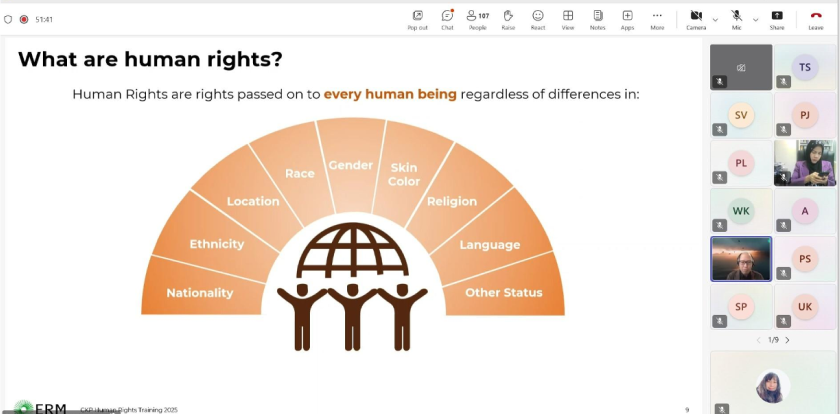
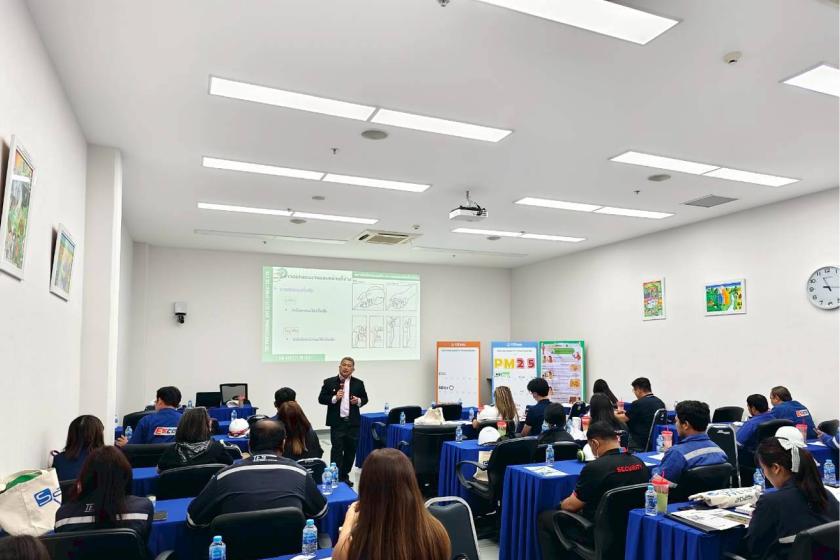
In 2025, the Company conducted human rights training for critical and non-critical suppliers, totaling 469 companies, across all power plants. The objective was to communicate CKPower’s human rights policy and related practices to foster suppliers’ understanding of human rights principles and their ability to apply them in business operations.
Objectives
- To enhance supplier awareness of human rights.
- To reduce and prevent human rights violation risks in the supply chain.
- To strengthen compliance with the Supplier Code of Conduct and fair labor practices.
- To foster positive social impacts.
Implementation
- Survey and select target suppliers → 513 suppliers with critical roles in the Company’s supply chain were selected.
- Conduct training across all power plants → Both online and offline training was conducted to engage all suppliers.
- Training content:
- Universal human rights principles and related practices
- Labor standards and guidelines for preventing labor rights violations
- Supplier code of conduct and alignment with CKPower’s policies
Project Outcomes
| Topic | Targets | Outcomes |
|---|---|---|
| Number of suppliers trained |
469
|
469
|
| Understanding of human rights | Human rights awareness and understanding among suppliers | Suppliers were able to apply relevant practices in their own operations. |
| Reduction of labor rights violation risks | Compliance with the Supplier Code of Conduct and labor laws | No reported human rights violations among suppliers |
| Expansion of practices across the supply chain | Promotion of practical application | Suppliers promoted fair labor standards within their own organizations. |
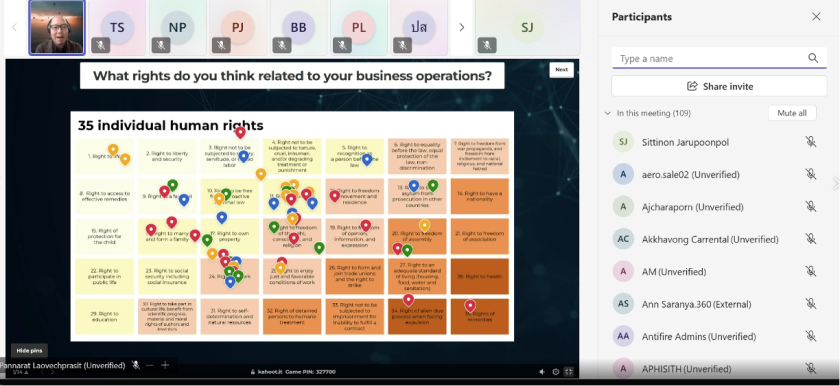
การอบรมจรรยาบรรณและด้านสิทธิมนุษยชนให้กับคู่ค้า ประจำปี รูปแบบออนไลน์
Strengthening Supplier Relationships
CKPower strives to foster strong relationships with its suppliers through proactive communication and continuous capacity development such as training programs, seminars, and engagement initiatives to communicate its business direction, policies, and key operational standards, ensuring alignment with the Company’s expectations.
These initiatives strengthen collaboration and mutual understanding while enhancing suppliers’ capabilities to operate sustainably. They also mitigate operational risks, reinforce supply chain continuity, and enhance transparency and credibility across the value chain.
Safety Training for Suppliers
First Aid and CPR Training for Suppliers
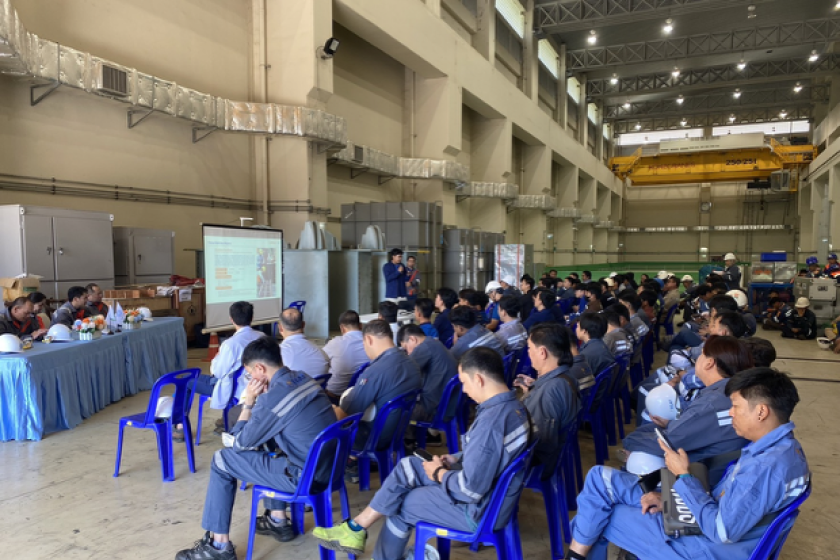
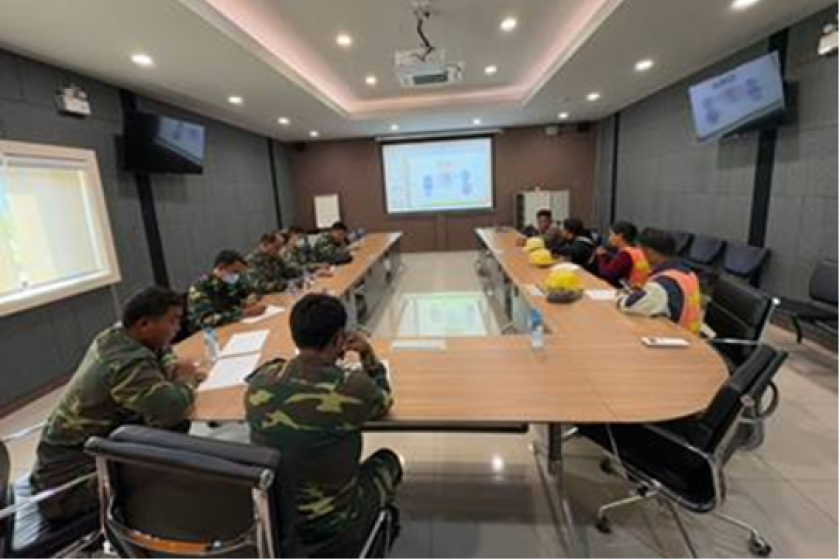
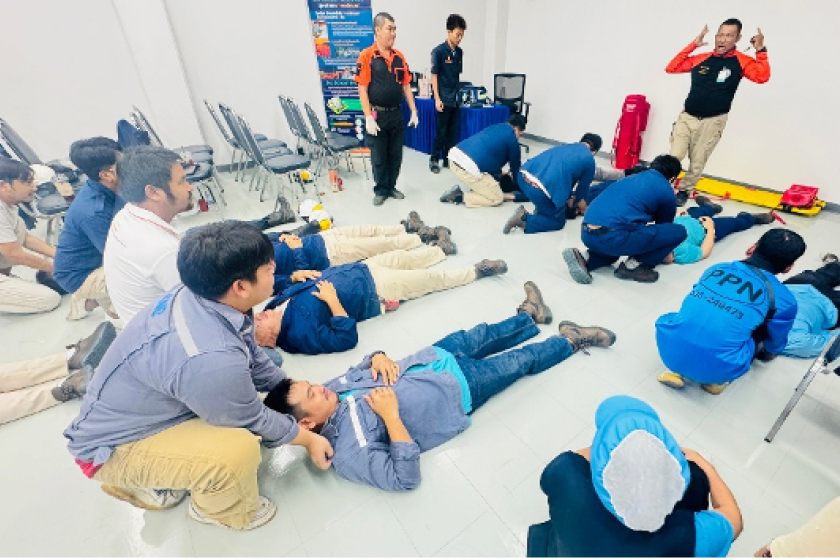
In 2025, all power plants conducted occupational health and safety training for suppliers and contractors operating on-site, including basic first aid and CPR training, to strengthen safety awareness and ensure compliance with site-specific safety standards and responsibilities.
Objectives:
- To enhance contractors’ safety knowledge and emergency response capabilities.
- To reduce severity and potential losses that may occur during work.
- To elevate safety standards within supplier organizations in alignment with the Company’s safety requirements.
- To create a safety culture throughout the Company’s supply chain.
This training enables suppliers to effectively apply the knowledge in their workplaces and cascade it to their employees, thereby continuously enhancing safety standards and supporting the shared goal of maintaining safe operations across the supply chain.
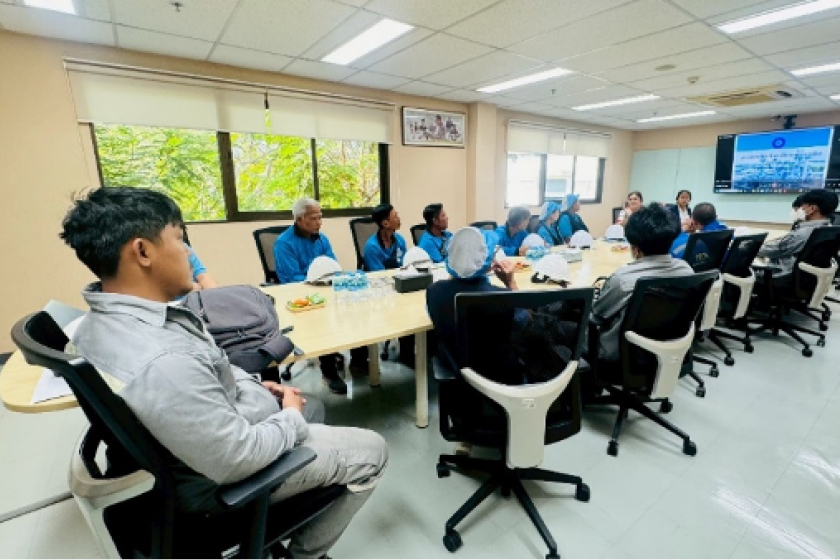
Safety Training for Suppliers – Bangpa-in Cogeneration Power Plant
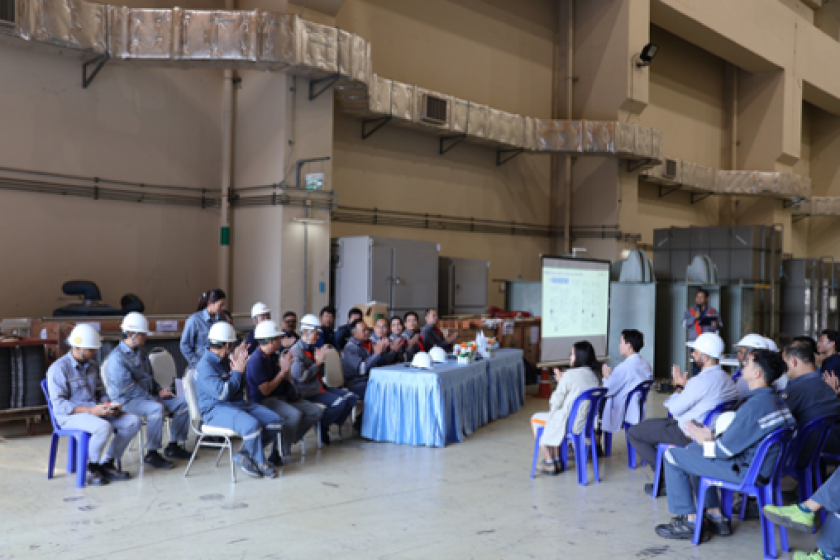
Safety Training for Suppliers – Nam Ngum 2 Hydroelectric Power Plant
Safety Training for Suppliers – Xayaburi Hydroelectric Power Plant
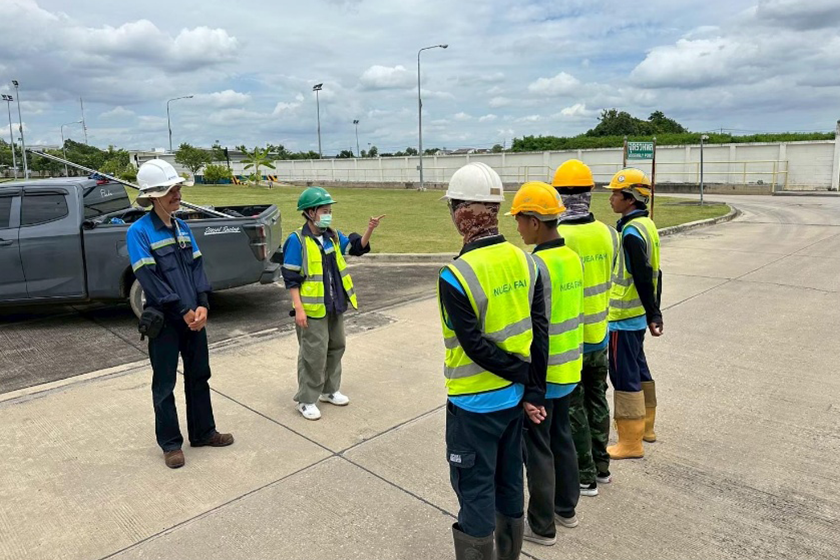
Safety Training for Suppliers – Bangkhenchai Solar Power Plant
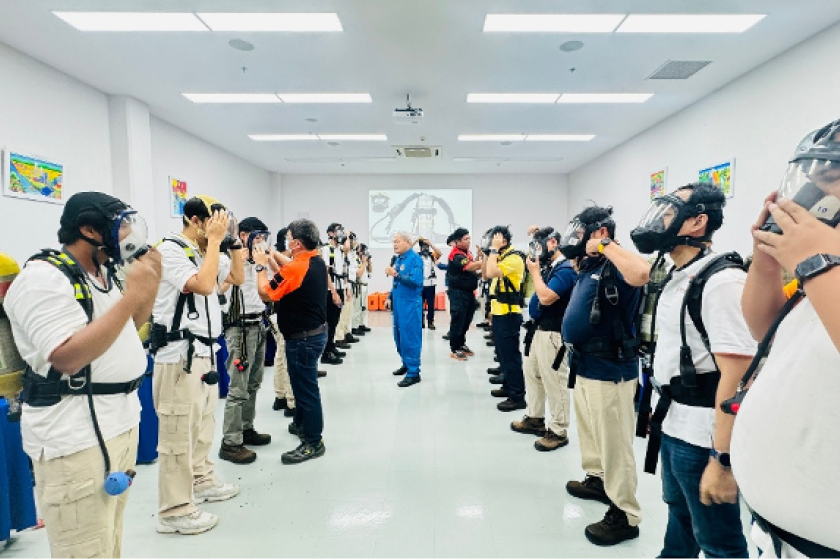
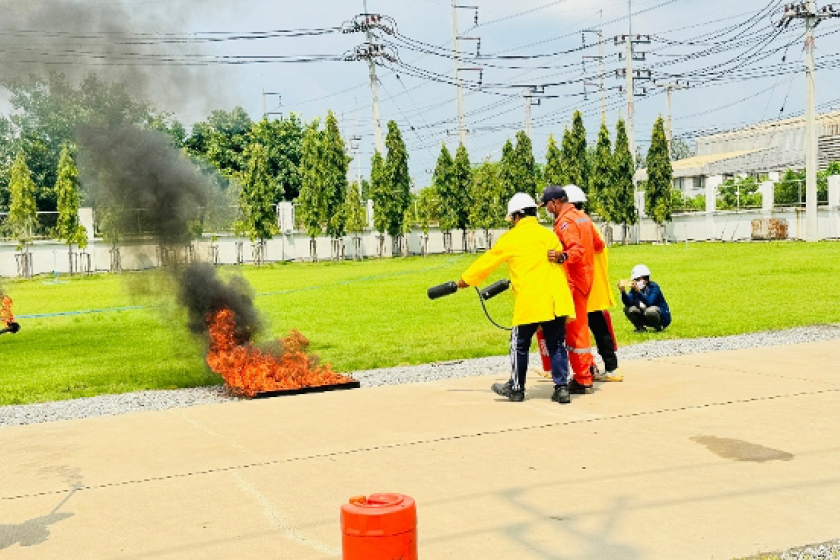
Annual Fire Drill and Chemical Spill Response Training
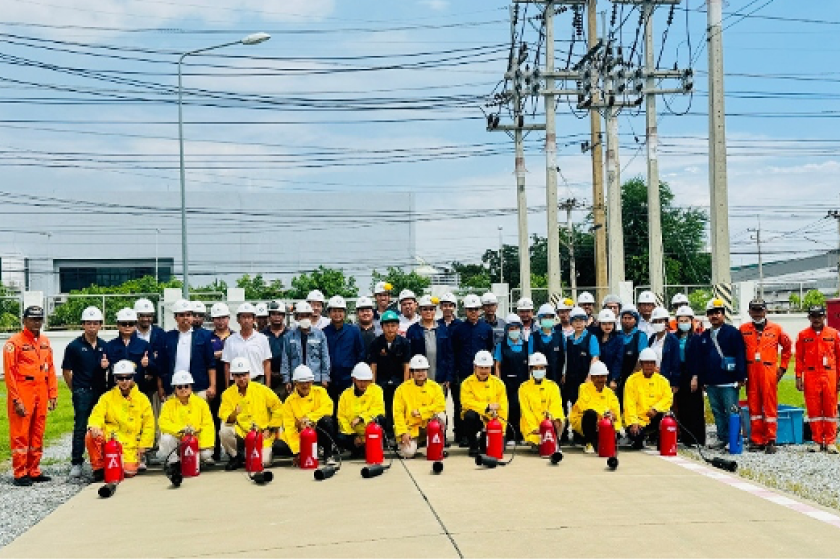
CKPower recognizes the significance of emergency preparedness. In 2025, Bang Pa-in Cogeneration Power Plant conducted an annual fire drill and chemical spill response exercise in collaboration with 22 Critical Tier 1 Suppliers, to enhance operational safety readiness and reduce potential risks within the power plant premises.
Objectives:
- To enhance readiness for fire and chemical emergency response.
- To reduce potential risks and likelihood of incidents during operations.
- To prevent hazards and impacts that could affect employees and suppliers.
- To improve safety and occupational health skills and awareness.
The drill and exercise enabled suppliers and employees to perform their roles and follow emergency response procedures accurately, while enhancing communication and coordination effectiveness. This helps minimize potential damage and losses, elevates safety standards in alignment with the Company’s requirements, and supports the development of a shared safety culture throughout the supply chain.
Safety Week for Employees and Contractors
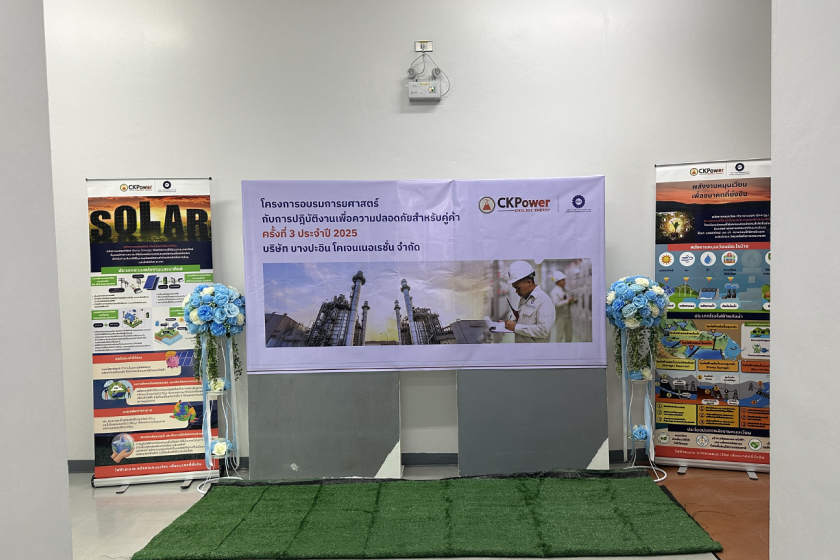
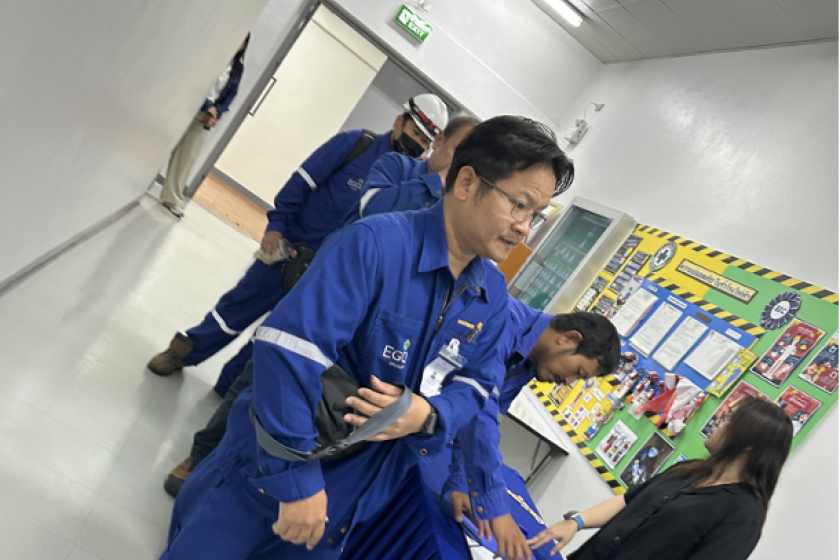
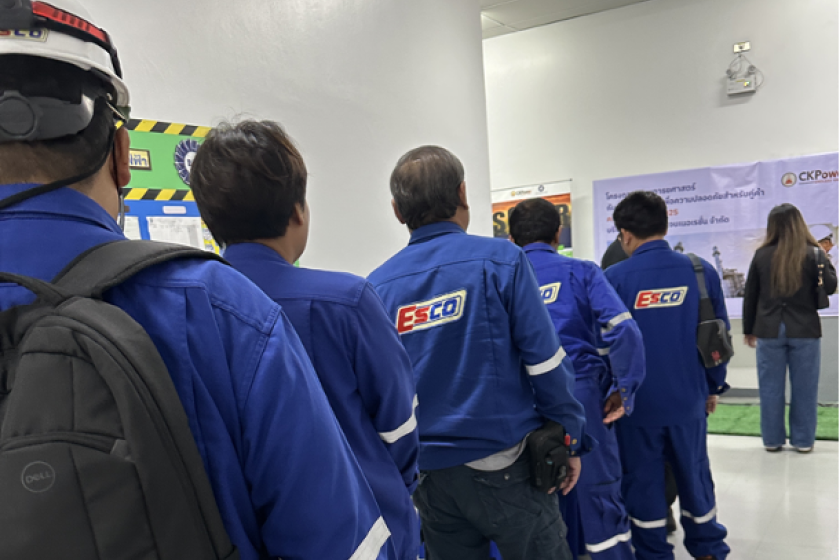
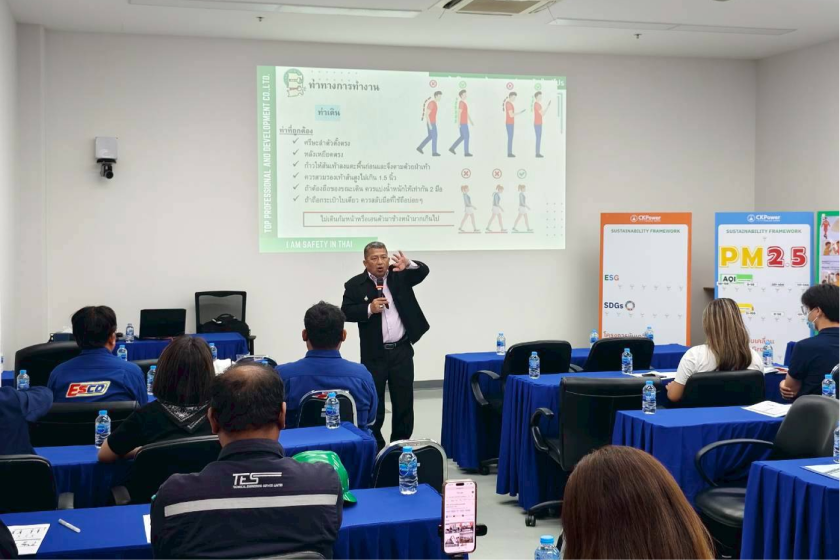
Ergonomics and Safe Work Practices Training for Suppliers
Objectives:
To enhance suppliers’ knowledge and understanding of ergonomics and safe work practices, promote the proper application of ergonomic principles, and reduce the risk of work-related injuries and accidents. The training also aims to elevate safety standards in alignment with the Company’s guidelines and requirements, while fostering engagement activities that strengthen positive relationships between the Company and its suppliers. A total of 32 participants attended.
The training and joint activities increased safety awareness among suppliers, encouraged correct ergonomic work practices, and helped reduce potential losses from workplace accidents and occupational health issues. In addition, the initiative strengthened collaboration, mutual understanding, and long-term partnerships between the Company and its suppliers, contributing to efficient and sustainable operations.
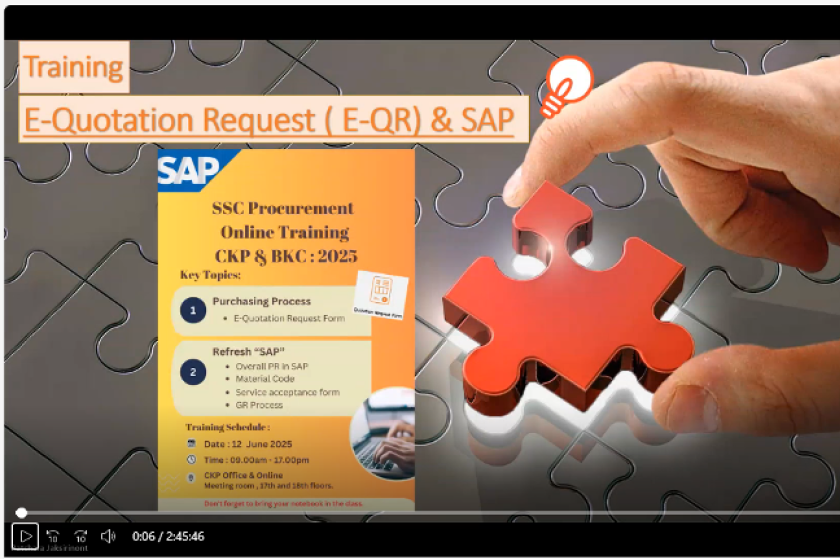
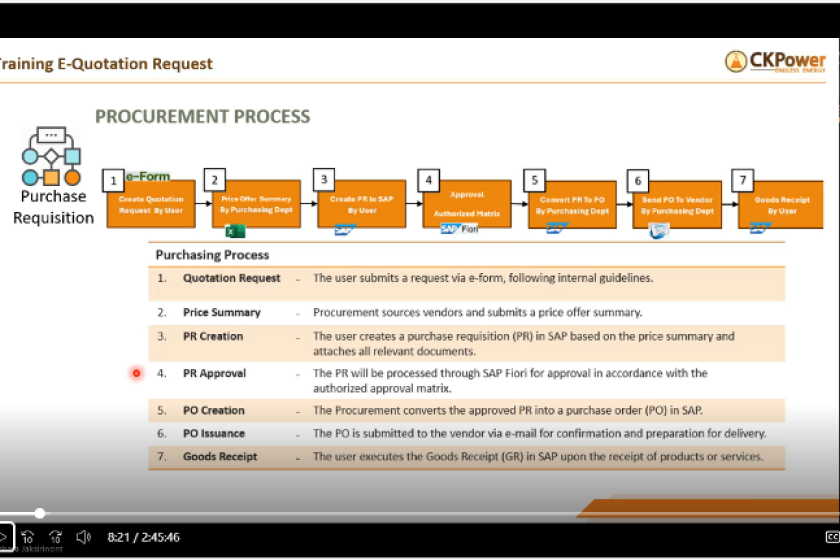
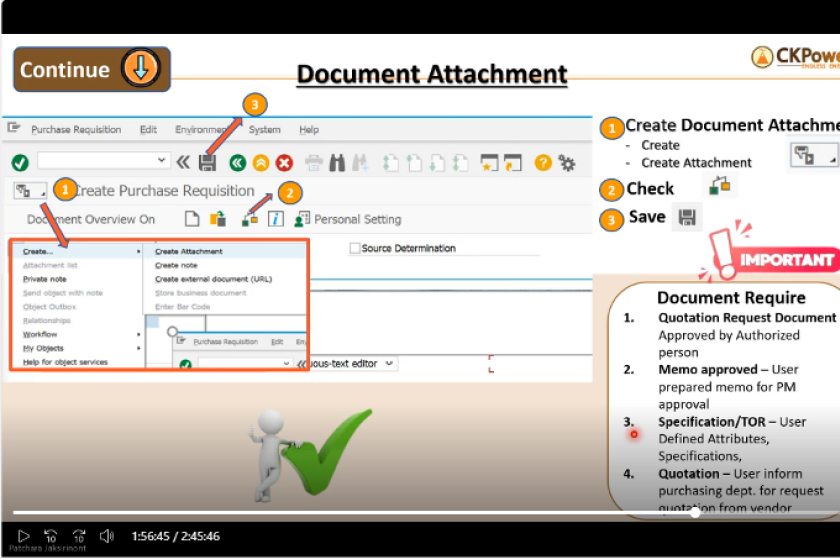
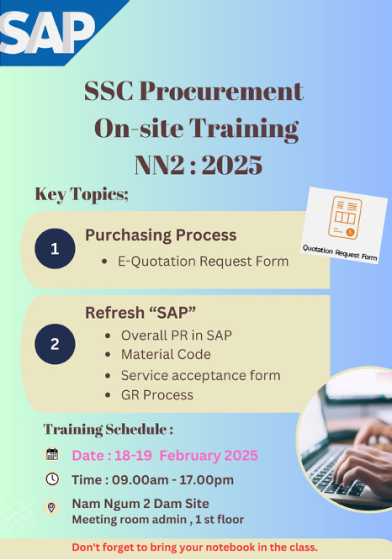
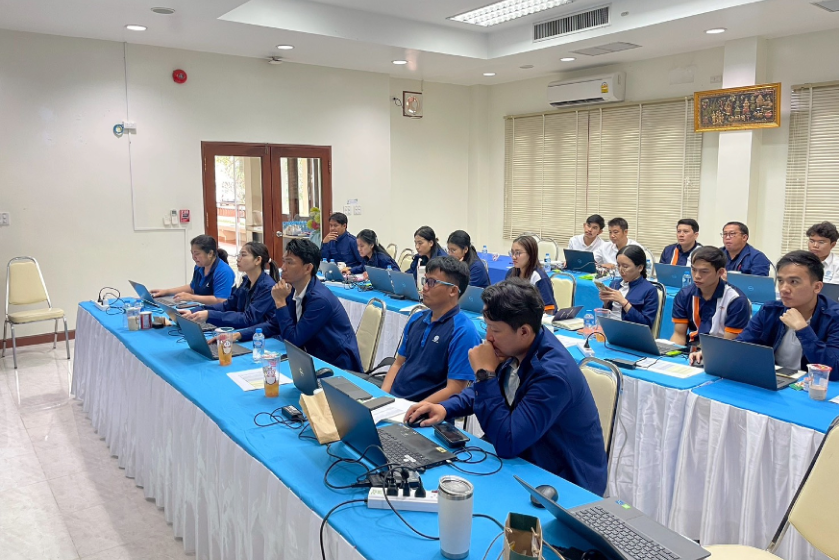
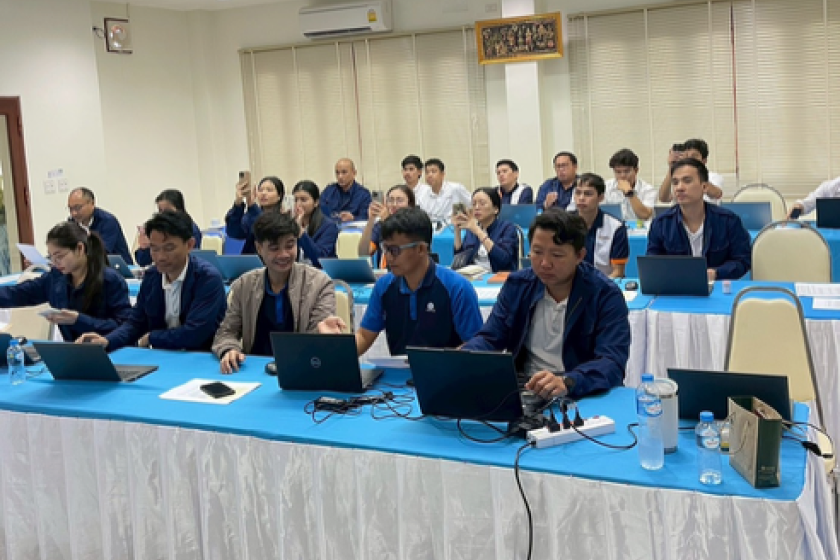
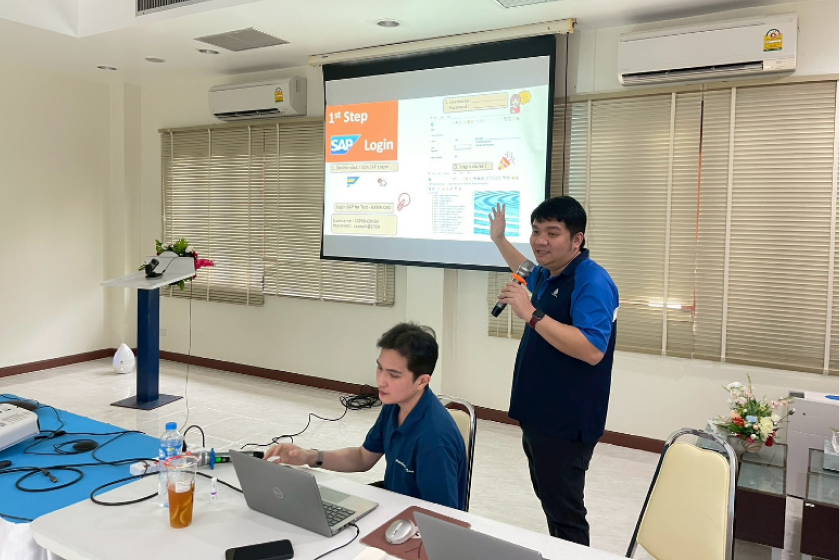
E-Quotation Request System and SAP Refresher Training
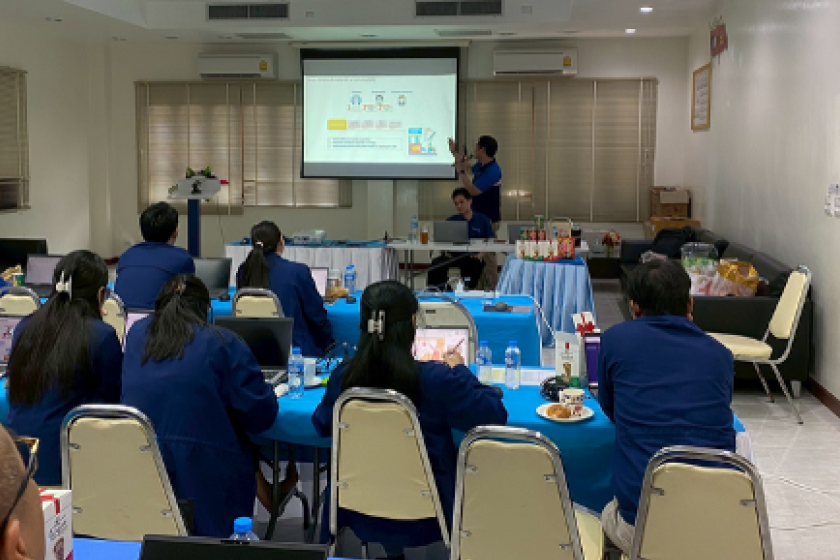
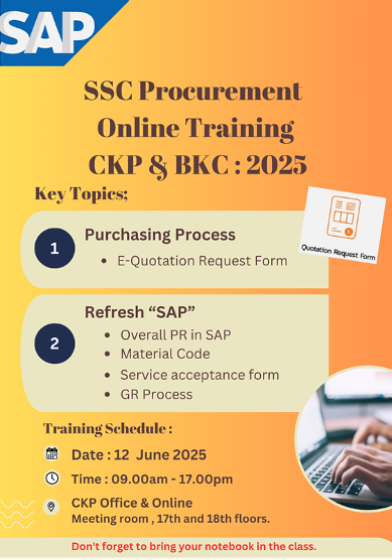
The Procurement Department organized internal training sessions on procurement processes on 18–19 February and 12 June 2025. The training targeted employees involved in procurement functions, including SAP users responsible for key processes such as Purchase Requisition (PR), Material Code creation, Service Acceptance, and Goods Receipt (GR).
Objectives:
- To standardize understanding of the Company’s procurement processes.
- To enhance SAP-related skills in procurement functions, including PR, Material Code, Service Acceptance, and GR processes.
- To improve the accurate and effective use of the E-Quotation Request form.
- To strengthen transparency, accuracy, and alignment with the Company’s procurement policies and guidelines.
Outcomes:
- Participants gained clearer understanding of procurement procedures and SAP workflows.
- Reduced documentation errors and process inefficiencies.
- Improved coordination efficiency between business units and SSC Procurement.
- Strengthened systematic and governance-driven procurement management, supporting business continuity.
Sustainability report 2025